The Dream Font: A Retro Vibe for Modern Editorial Design
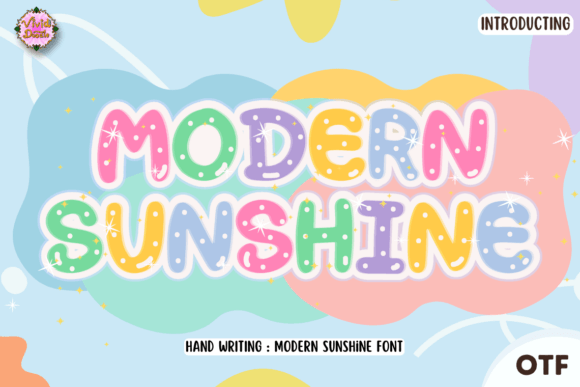
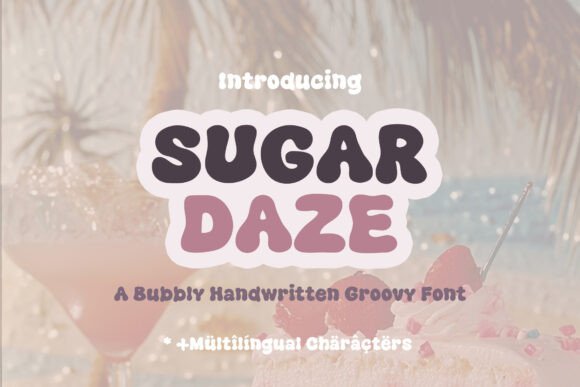
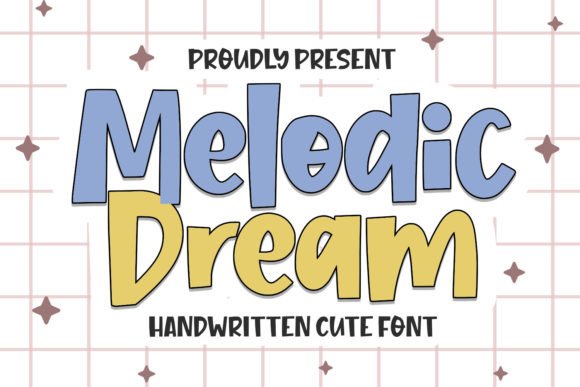
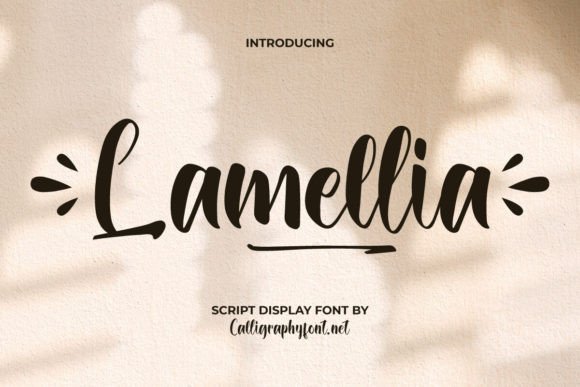
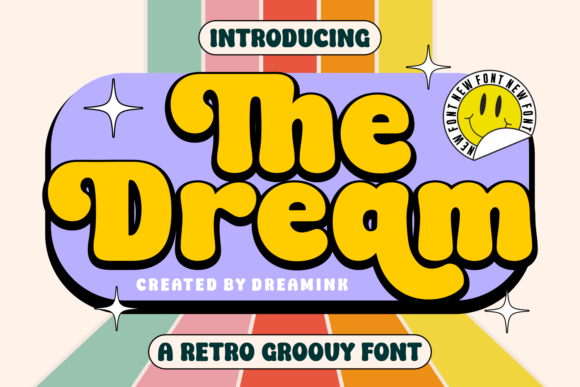
When I was redesigning the header for my lifestyle blog, I knew I needed something that would stand out but still feel approachable. The Dream came to mind—not just because of its retro charm, but because it had the right balance of personality and readability. As a Display font, it’s not just about looks; it’s about creating a visual language that speaks to your audience without overwhelming them.
The Dream for Lifestyle Blogs and Editorial Branding
As a blogger, I often think about how fonts shape the reader’s first impression. The Dream is perfect for lifestyle blogs where the vibe needs to be inviting yet stylish. Its funky style and groovy vibes make it ideal for headers, article titles, and even pull quotes. When I used it on my blog’s homepage, the retro energy immediately caught the eye of my readers, making the site feel more personal and engaging.
What makes The Dream particularly effective in editorial branding is its ability to blend nostalgia with modern design principles. It’s not just a throwback—it’s a versatile Display font that can adapt to different content types. Whether you're crafting a newsletter graphic or designing a magazine cover, The Dream adds a touch of character without sacrificing clarity.
The Dream for Recipe Ebooks and Printables
I recently worked on a recipe ebook for a small food blog, and The Dream was the perfect choice for the title page. Its vintage feel gave the project an authentic, handcrafted look that aligned with the brand’s identity. As a Fonts designer, I found that The Dream’s rhythm and mood made it ideal for printables like cooking guides, meal plans, and recipe cards.
When using The Dream in printables, it’s important to consider readability across different formats. While it shines in bold, decorative applications, it’s best paired with a clean sans serif font for body text. This ensures that the content remains accessible while still maintaining the retro aesthetic that defines The Dream. For long-form content, I recommend using it sparingly—perhaps as a section heading or a decorative accent—to keep the design from feeling cluttered.
The Dream for Wedding Guides and Creative Projects
Another project that benefited from The Dream was a wedding guide I designed for a local couple. The font’s cool and groovy vibes perfectly matched the theme of their event, which was a mix of vintage and contemporary styles. From invitations to thank-you notes, The Dream added a sense of elegance and fun that resonated with the couple’s vision.
As a Display font, The Dream works well in creative projects where visual storytelling is key. Whether you’re designing a wedding guide, a course PDF, or a printable planner, its unique character can elevate the overall design. However, it’s important to pair it with readable fonts for body text to maintain a balance between style and function.
The Dream for Digital Magazines and Newsletter Headers
In digital publishing, the right font can make all the difference. I recently used The Dream as the headline font for a digital magazine layout, and it brought a fresh, nostalgic energy to the content. Its display qualities make it ideal for headlines, chapter openers, and even social media graphics.
When working with digital platforms, it’s essential to test The Dream across different screen sizes and resolutions. On mobile devices, the font should remain legible and visually appealing. For PDF exports, ensure that the font supports multilingual characters and has proper licensing for commercial use. These considerations help maintain consistency across all platforms, ensuring that The Dream continues to deliver its signature retro vibe without compromising readability.
The Dream for Coaching Workbooks and Brand Identity
Coaching workbooks often require a font that feels both professional and personable. The Dream fits this requirement perfectly. Its funky style adds a creative edge to worksheets, goal-setting pages, and reflection exercises. When designing a coaching workbook, I used The Dream for section headings and pull quotes, which helped create a cohesive brand identity that felt both modern and timeless.
For brand identity projects, The Dream can serve as a key design asset. Whether you’re building a logo, a website, or a social media presence, the font’s personality can reinforce your brand’s values. Its Display nature allows it to stand out in logos and headers, while its versatility makes it adaptable to various content types.
The Dream for Web Design and Social Media Graphics
As a web designer, I’ve found that The Dream works well in social media graphics and website headers. Its retro appeal gives digital content a unique flair that stands out in a crowded online space. When designing for web platforms, it’s important to check the font’s file formats and licensing to ensure compatibility with different platforms and usage scenarios.
Pairing The Dream with a readable serif or sans serif font for body text helps maintain a balance between style and functionality. This is especially important for long-form content, where readability is crucial. By using The Dream strategically—such as for headlines or decorative elements—you can enhance the overall design without overwhelming the reader.
The Dream for Content Creators and Independent Brands
For content creators and independent brands, The Dream offers a powerful tool for building a distinctive visual identity. Its retro vibe and funky style make it ideal for editorial design, packaging, and branding. Whether you’re creating a newsletter, a course PDF, or a printable guide, The Dream can help you stand out in a competitive market.
When choosing a font, it’s important to consider both aesthetics and practicality. The Dream excels in both areas, offering a unique character that enhances the visual appeal of your content while remaining functional for different uses. By incorporating The Dream into your design toolkit, you can create a cohesive, memorable brand identity that resonates with your audience.