Sobek Font for Bold Branding and Web Design
Sobek in a Boutique Online Store Header
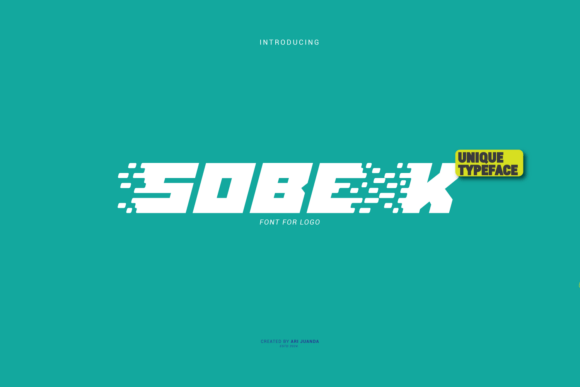
Testing Sobek on a boutique online store header was the first step in my font selection process. As a display font, Sobek has a distinct personality that caught my eye immediately. The name Sobek comes from an Indonesian word meaning "split," which I found interesting when combined with capital letters and alternative characters. It gave the typography a sense of sharpness and structure, making it ideal for a brand that wants to stand out.
I placed Sobek over a full-width hero image of curated products. The contrast between the bold, segmented letters and the soft background created a visual tension that felt modern and intentional. For a small business website, this kind of detail can make a big difference in how the brand is perceived — professional yet creative.
Sobek for Call-to-Action Buttons and Landing Pages
Next, I experimented with Sobek on call-to-action buttons. As a display font, Sobek's alternative characters added a unique flair to phrases like "Shop Now" or "Start Your Journey." However, I noticed that on smaller buttons, especially on mobile screens, the legibility dipped slightly. That’s a common challenge with display fonts — they’re more suited for larger text elements.
To maintain readability, I paired Sobek with a clean sans serif font for body copy. This combination kept the landing page visually cohesive while ensuring users could easily scan through content. It also helped reinforce the brand identity without overwhelming the user experience.
Sobek in a Coaching Website Logo and Navigation
When designing a coaching website, Sobek stood out as a strong candidate for the logo. The name Sobek, interpreted as “split,” resonated with the idea of transformation and breaking old habits — a theme central to many coaching brands. Using Sobek in the logo provided a sense of clarity and purpose.
I tested Sobek in both uppercase and lowercase variations for the navigation menu. While the uppercase version worked well for headings, the lowercase form was less effective for long menu items. This taught me that Sobek is better used sparingly in navigation, perhaps only for key sections or as decorative accents rather than for extensive menus.
Sobek for Blog Headers and Editorial Design
On a blog redesign project, I considered Sobek for section headers. Its segmented style brought a fresh energy to the editorial layout. When paired with a complementary serif font for body text, the design felt balanced and elegant. I made sure to test Sobek on different screen sizes to ensure it didn’t break the responsive layout or cause issues with line spacing.
For blog headers, Sobek worked best when used in short, impactful phrases. It wasn’t suitable for long paragraphs or dense blocks of text, but it excelled at drawing attention to featured posts or headlines. This makes it a great fit for digital brands looking to create a more dynamic reading experience.
Sobek in a Course Sales Page and Portfolio Site
In a course sales page, Sobek added a touch of sophistication to the headline. The segmented letterforms conveyed a sense of precision and focus, aligning well with educational content. I also used Sobek for feature titles, where it helped establish a clear visual hierarchy.
For a portfolio site, Sobek was perfect for the hero title and project categories. The alternative characters allowed for creative expressions of the designer’s name or tagline, enhancing the overall aesthetic appeal. I ensured that Sobek was used consistently across the site to build a strong brand presence without overcomplicating the layout.
Sobek and Readability in Responsive Web Design
One thing I learned during testing was that Sobek works best in specific contexts. On mobile layouts, its intricate details can become too fine, especially if the text size is reduced. To mitigate this, I adjusted the font size and used subtle drop shadows to enhance legibility against dark backgrounds.
I also checked the font’s webfont availability and file formats before integrating it into the project. Ensuring that Sobek had proper multilingual support and commercial licensing was crucial, especially for clients who might be using it on global-facing websites or digital templates.
Sobek for Digital Ads and Campaign Pages
Finally, I tried Sobek in a campaign landing page for a promotional event. The segmented look of the font matched the bold, energetic tone of the campaign. It worked well for large banners and headline text, creating a memorable first impression.
However, I avoided using Sobek in small ad units or social media graphics where space was limited. Instead, I reserved it for larger visuals where the font could shine without sacrificing readability. This approach helped maintain a consistent brand voice across all digital channels.