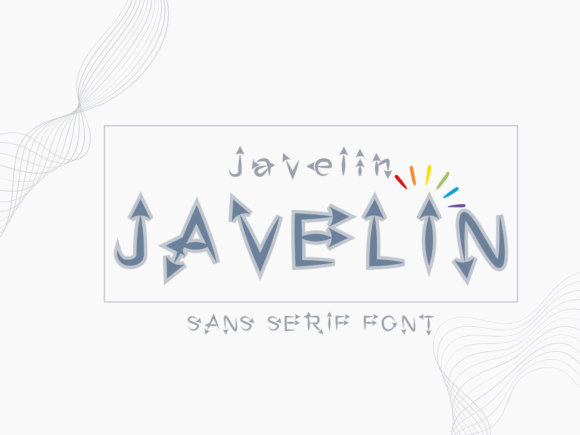
Javelin: A Display Font That Elevates Editorial Design
When I was redesigning the header for my lifestyle blog, I knew I needed a font that would catch the eye without overwhelming the reader. Javelin emerged as the perfect choice—its clean lines and playful curves brought a fresh energy to the layout while maintaining readability. As a display font, Javelin isn’t just about aesthetics; it’s about creating a visual rhythm that supports the content rather than distracts from it.
Javelin for Lifestyle Blog Headers and Brand Identity
Javelin is a display font with a distinct personality—modern yet approachable, bold yet balanced. Its design feels like a conversation between elegance and simplicity, making it ideal for editorial layouts where both style and clarity matter. When I first tested Javelin on my blog’s header, I noticed how it immediately set the tone for the entire site. It felt like a warm welcome, inviting readers in without being too flashy.
The versatility of Javelin shines through in its ability to adapt to different editorial needs. Whether I’m crafting a new section title or designing a pull quote, Javelin adds a touch of sophistication that aligns with the brand’s identity. Its clean, geometric structure makes it especially effective in digital spaces, where legibility is key. For a lifestyle blog, this means a font that can handle both the headline and the body copy with ease.
Javelin for Recipe Ebooks and Printable Guides
When I decided to create a printable guide for beginners in cooking, I wanted a font that would feel personal yet professional. Javelin fit the bill perfectly. Its friendly yet refined appearance made it ideal for recipe titles and headings, while its clear letterforms ensured that even long-form text remained easy to read.
Using Javelin in a recipe ebook allowed me to maintain a cohesive visual language throughout the document. The font’s subtle serifs added a sense of craftsmanship, which complemented the content’s focus on quality and detail. I paired it with a sans-serif font for the body text, creating a balance between visual interest and readability. This pairing worked well across both screen and print formats, ensuring that the guide looked great whether it was shared digitally or printed out.
Javelin for Wedding Invitations and Elegant Branding
Javelin has a timeless quality that makes it a strong contender for wedding invitations and other formal branding materials. Its elegant curves and structured forms convey a sense of refinement that aligns well with the occasion. When I used Javelin for a sample wedding invitation, it immediately felt right—like it had been designed for the moment.
The font’s versatility extends beyond just the text itself. Javelin can be used as a decorative element in headers, logos, or even as an accent in social media graphics. Its clean, modern look works well with both minimalist and classic design styles, making it a go-to choice for designers looking to create a cohesive brand identity.
Javelin for Digital Magazines and Newsletter Graphics
In a recent project for a digital magazine, I was tasked with creating a visually engaging newsletter graphic. Javelin was the natural choice for the headline, offering a balance between impact and readability. Its structured form made it easy to pair with other fonts, allowing for a layered typographic design that supported the content without overwhelming it.
One of the biggest advantages of using Javelin in digital publishing is its scalability. Whether the text is displayed on a mobile device or a large screen, the font maintains its clarity and visual appeal. This makes it particularly useful for newsletters, where the content needs to be accessible across multiple platforms.
Javelin for Coaching Workbooks and Educational Materials
When designing a coaching workbook, I wanted a font that would feel both professional and approachable. Javelin offered the perfect blend of these qualities. Its clean lines and balanced proportions made it ideal for section headings and chapter openers, while its readability ensured that the content remained engaging throughout.
I also found that Javelin worked well when paired with a more traditional serif font for the body text. This combination created a visual hierarchy that guided the reader through the material without sacrificing clarity. The font’s neutral tone made it suitable for a wide range of audiences, from students to professionals seeking personal development resources.
Javelin for Long-Form Content and Screen Reading
While Javelin is a display font, it’s not limited to short headlines or decorative elements. Its structured form and consistent spacing make it suitable for longer reading experiences, provided it’s used thoughtfully. I’ve used it in article titles and section headers, where its presence adds visual interest without compromising the flow of the content.
For screen reading, I recommend using Javelin in combination with a readable sans-serif font for the body text. This ensures that the content remains accessible to all users, including those who rely on screen readers. When exporting to PDF or print, Javelin’s clean letterforms ensure that the text remains crisp and legible, regardless of the medium.
Javelin for Font Pairing and Editorial Design
One of the most rewarding aspects of working with Javelin is its flexibility in font pairing. As a display font, it pairs beautifully with both serif and sans-serif fonts, depending on the desired effect. For a more traditional look, I’ve paired it with a classic serif font like Georgia or Times New Roman. For a modern aesthetic, I’ve used it alongside a clean sans-serif font like Helvetica or Arial.
When designing editorial layouts, it’s important to consider the overall typography strategy. Javelin can serve as a focal point in headers, pull quotes, or decorative accents, while the body text should remain simple and readable. This approach ensures that the design remains focused on the content, rather than the font itself.
Before using Javelin in any commercial project, I always check the included styles, alternates, ligatures, weights, and multilingual support. These features ensure that the font can be used effectively in a wide range of applications, from web design to print materials. Additionally, verifying the commercial font licensing is essential for any paid publications or digital downloads.