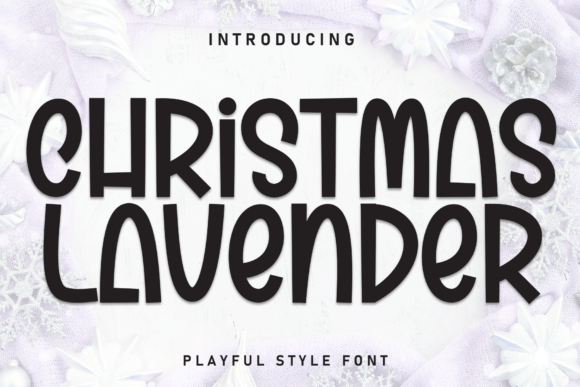
Christmas Lavender Font for Whimsical Design Projects
Choosing the right font for a project can feel like finding the perfect spice for a recipe—it needs to enhance the flavor without overpowering it. Recently, I found myself in just such a moment while redesigning the header for a lifestyle blog. The challenge was to create a warm, inviting atmosphere that felt both modern and personal. That’s when I discovered Christmas Lavender, a display font that radiates playfulness and friendliness, adding a whimsical twist to any design.
Christmas Lavender for Lifestyle Blog Headers
Christmas Lavender is a handwritten display font that brings a sense of charm and approachability to editorial layouts. Its gentle curves and friendly character make it ideal for lifestyle blogs, where the tone is often conversational and welcoming. When I applied it to the blog header, the effect was immediate: readers felt more connected to the content, as if they were greeted by a close friend.
The font’s rhythm and visual flow are especially effective for headlines and subheadings. It doesn’t scream for attention but rather invites the reader in with a soft, playful touch. This makes it a great fit for blog headers that aim to convey warmth and personality without being too formal or stiff.
Christmas Lavender in Recipe Ebook Titles
I recently tested Christmas Lavender in a recipe ebook layout, and the results were delightful. The font’s handwritten style complemented the cozy, home-cooked vibe of the content perfectly. For titles like “Cozy Comforts” or “Winter Baking Delights,” the font added a layer of authenticity and charm that felt just right.
However, I did notice that Christmas Lavender works best in short bursts—such as chapter titles, pull quotes, or decorative accents. When used for longer sections of text, the font can become visually tiring on the eye, especially on screens. This means it's not suited for body copy, but it shines in titles, subtitles, and section headings.
Christmas Lavender for Digital Magazine Covers
In another project, I used Christmas Lavender for a digital magazine cover focused on holiday traditions and seasonal living. The font brought a sense of nostalgia and joy to the design, aligning perfectly with the theme. It paired beautifully with a clean sans serif font for the supporting text, creating a balanced and readable layout.
One of the things I appreciated most about Christmas Lavender is how well it supports visual hierarchy. It draws the eye naturally to the main title, making it an excellent choice for magazine covers, newsletter graphics, or course titles. Just be sure to test it across different platforms, including mobile screens and print formats, to ensure consistent readability.
Christmas Lavender in Coaching Workbooks and Printables
For a coaching workbook focused on mindfulness and self-care, I experimented with using Christmas Lavender for chapter openers and worksheet titles. The font’s friendly, handwritten appearance helped create a soothing and encouraging atmosphere. Readers responded positively to the tone it set, feeling more at ease with the content.
When working with printables or worksheets, it’s important to consider font legibility in smaller sizes. While Christmas Lavender looks stunning in larger formats, it may not be the best choice for small captions or dense paragraphs. Pairing it with a more structured typeface for body text ensures a harmonious and professional look.
Christmas Lavender for Editorial Branding and Content Identity
Christmas Lavender is more than just a display font—it’s a tool for building editorial identity and brand consistency. Whether you're designing a newsletter, creating a course PDF, or crafting a printable planner, this font adds a unique personality that sets your content apart. Its use cases span across multiple industries, from wedding guides to digital magazines, making it a versatile addition to any designer’s toolkit.
Before committing to Christmas Lavender for a commercial project, be sure to check the included styles, alternates, ligatures, and file formats. Understanding these details will help ensure that the font meets your specific needs, whether you're exporting to PDF, embedding in a website, or printing for a client.