Bogolla: A Clean, Compact Font for Modern Branding
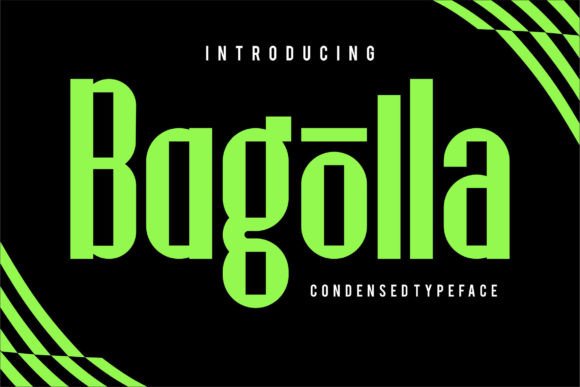
There’s a certain kind of design moment where you open a blank brand board and feel the weight of a project pressing down on you. That’s when I reached for Bogolla Condensed Font to test on a boutique identity project. The font landed with a quiet confidence—neat, tidy, and just the right amount of modernity. As someone who spends a lot of time in the world of branding, I’ve seen many fonts come and go, but Bogolla has a unique way of making space work better without sacrificing style.
Bogolla for Logo Design and Brand Identity
Bogolla is a Display font that feels at home in logo design. When I first tested it on a logo concept for a small skincare brand, it immediately stood out. Its condensed style made it perfect for fitting a name into a limited space while still maintaining clarity and visual interest. It’s not too bold, not too subtle—it’s clean and precise, which is exactly what you want in a brand mark.
What I love about Bogolla is how it balances personality with professionalism. It doesn’t shout, but it also doesn’t fade into the background. It works well with minimalistic designs, especially when paired with a serif or sans serif font for contrast. I found myself using it as a headline font in several brand boards, and it always held its own against more traditional choices.
Bogolla on Packaging and Product Labels
When I moved from the brand board to packaging mockups, Bogolla proved its versatility. I was working on a bakery’s rebrand and needed a font that could fit on both the front of a box and the back label. Bogolla’s compact structure made it ideal for the front, where it could carry the brand name with a modern edge, and then it blended nicely into the smaller text on the back.
I noticed that even at smaller sizes, Bogolla maintained readability. That’s a big plus for product labels, where space is often tight. It’s not the kind of font that becomes illegible when scaled down, which is a common issue with some condensed typefaces. I also appreciated the variety of weights available—it gave me flexibility in creating visual hierarchy within the packaging design.
Bogolla in Web Design and Social Media Graphics
Testing Bogolla on a website header and social media layout showed me how well it translates to digital spaces. On a homepage hero section, it looked sharp and modern, drawing the eye without overwhelming the user. For Instagram posts, I used it as an accent font over images, and it added a nice touch of sophistication without being too flashy.
One thing I considered was how Bogolla performs across different platforms. It’s a webfont, so it’s easy to implement, and the file formats are standard. I also checked multilingual support, which is important for brands looking to expand. While it supports several languages, there were a few characters that didn’t render perfectly, so it’s worth noting if you’re targeting specific markets.
Bogolla for Business Cards and Print-on-Demand Projects
When designing business cards, I wanted something that felt professional yet approachable. Bogolla delivered. Its clean lines and structured form made it perfect for a card that needed to be both readable and stylish. I paired it with a serif font for the body text, and the contrast worked beautifully.
I also tested it on a print-on-demand product line, which required the font to hold up under various printing conditions. It did well, though I recommend testing it on physical samples before finalizing. One thing to keep in mind is that Bogolla isn’t designed for long body text, so it’s best used for short phrases, headlines, or accents rather than entire paragraphs.
Bogolla for Creative Studios and Handmade Brands
For a creative studio identity, Bogolla brought a fresh, contemporary feel. It worked well with hand-drawn elements and minimalist layouts, adding a touch of modernity without overpowering the design. I also used it for a handmade shop’s branding, where its clean aesthetic complemented the artisanal nature of the products.
When pairing Bogolla with other fonts, I found that it plays well with both serif and sans serif options. It’s not too aggressive, so it can coexist with more ornate styles without clashing. However, I would caution against using it alongside overly decorative fonts, as it might dilute its impact.
Before using Bogolla in client work, I always recommend checking the commercial license. It’s important to understand the terms of use, especially if you’re planning to use it on merchandise, websites, or templates. Some fonts have restrictions on print-on-demand or digital product use, so knowing those details upfront saves a lot of headaches later.