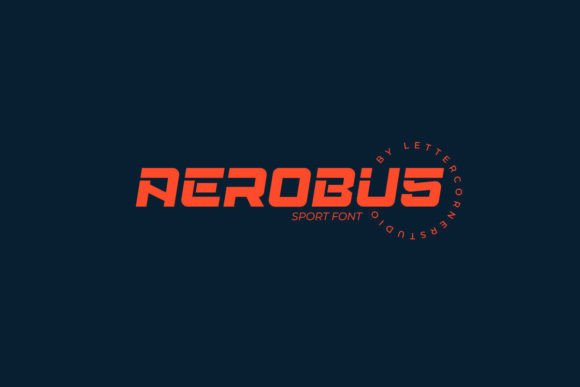
Aerobus: A Display Font for Bold Branding and Campaign Impact
Aerobus is a display font that brings a unique blend of elegance and personality to any design project. Its tapered terminals and soft corners evoke a sense of sophistication, while its spurred edges add a touch of modern flair. As a marketing designer working on a seasonal product launch, I’ve found Aerobus to be a versatile tool that enhances both visual appeal and message clarity in promotional content.
Aerobus for Instagram Posts and Social Media Graphics
When designing Instagram posts for a new product line, readability and visual hierarchy are key. Aerobus works exceptionally well as a headline font due to its clean, stylized form. It stands out against the background without overwhelming the viewer, making it ideal for short captions and eye-catching headers. I used Aerobus in a recent campaign promoting a limited-time sale, pairing it with a sans serif font for body text. The contrast between the two fonts created a balanced look that felt both professional and inviting.
One of the biggest challenges in social media design is ensuring legibility on small screens. I tested Aerobus across various mobile previews and found it performed well even at smaller sizes. However, I recommend using it sparingly in dense text areas to maintain readability. For thumbnails and image overlays, Aerobus adds a stylish edge that helps your content stand out in a crowded feed.
Aerobus for YouTube Thumbnails and Video Content
Creating compelling YouTube thumbnails requires a font that can convey urgency or excitement quickly. Aerobus fits this role perfectly. Its bold, decorative style draws attention immediately, making it an excellent choice for video titles and callouts. In one recent project, I used Aerobus to design a thumbnail for a webinar series, combining it with a clean sans serif font for the subtitle. The result was a thumbnail that communicated both the event’s theme and its value clearly.
I also experimented with using Aerobus for overlay text in video clips. Its soft corners and tapered ends give it a gentle yet confident presence, which works well for brand storytelling. However, I caution against using it for long-form video content where consistent readability is crucial. Aerobus is best suited for short headlines, titles, and promotional text rather than extended dialogue or narration.
Aerobus for Web Design and Digital Ad Layouts
In web design, Aerobus can elevate the aesthetic of landing pages and banners. I recently integrated it into a website header for an online course launch. Its elegant curves and strong visual identity helped reinforce the premium nature of the course while maintaining a modern feel. Pairing it with a minimalist sans serif font for body copy ensured that the page remained easy to read and visually engaging.
For digital ad layouts, Aerobus adds a level of sophistication that aligns well with brand campaigns targeting high-end audiences. When testing ads across different platforms, I noticed that Aerobus performed particularly well on dark backgrounds, where its light-colored strokes stood out effectively. However, I always ensure there’s enough contrast to maintain legibility, especially when using it on light-colored backgrounds or in fast-scrolling feeds.
Aerobus for Branded Templates and Campaign Consistency
Consistency is essential in brand campaigns, and Aerobus can play a significant role in maintaining that consistency across multiple assets. I’ve used it in branded templates for email promotions, social media content series, and even packaging design. Its distinct style helps create a cohesive look that reinforces brand identity without being too rigid.
When building a template pack for a client, I paired Aerobus with a serif font for a more traditional feel or a script font for a creative twist. This flexibility allows designers to adapt the font to different campaign needs while keeping the overall brand voice aligned. I also make sure to check included styles, alternates, and weights before finalizing a design, as these options can significantly impact the font’s versatility in various contexts.
Aerobus for Email Promotions and Website Headers
Email promotions often require a font that can communicate value quickly. Aerobus excels in this area, offering a balance between style and readability. I used it in a recent email campaign for a seasonal sale, where its elegant curves helped convey exclusivity and urgency. The font worked well alongside a clean sans serif font for body text, creating a clear visual hierarchy that guided the reader through the message.
On websites, Aerobus is most effective in headers and banners where it can make an immediate visual impact. I’ve seen it used successfully in landing page headers, where its bold appearance helps draw attention to key messaging. However, I recommend using it sparingly in navigation menus or other areas where readability is paramount. Always test the font on different screen sizes to ensure it remains legible in all contexts.